As an intelligent technology product, sports wristbands have become an essential tool for many people’s sports life in recent years. It can not only record steps and calorie consumption, but also help you monitor your exercise status and health data in real-time, providing scientific guidance for training.
1. Basic functions of sports wristbands:
Step and calorie monitoring: The most basic function is to record your daily steps and calories burned, which is very helpful for people who want to maintain health or lose weight.
Heart rate monitoring: Through continuous heart rate monitoring, the wristband can tell you the changes in heart rate under different intensities of exercise, helping you determine whether the exercise has achieved the best results for fat burning or intensity training.
Sleep quality analysis: Many sports wristbands also have sleep monitoring functions, which can analyze your sleep quality and help you understand how to improve sleep by changing lifestyle habits.
2. How to choose a sports wristband:
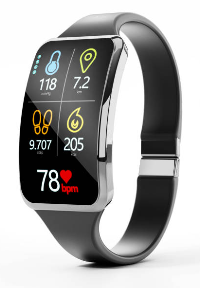
Budget selection: The price of sports wristbands varies greatly, ranging from tens to hundreds of dollars. If you only need to record basic data, entry-level products can meet your needs; If you have higher requirements, such as heart rate monitoring, GPS functionality, etc., choosing mid to high end products will be better.
Functional requirement: Consider the type of exercise you usually engage in. If you often run or ride, equipped with GPS positioning function and higher precision heart rate monitoring function will be even more important. For yoga or strength training enthusiasts, precise motion recognition and longer battery life can also become purchasing criteria.
Comfort: The wearing comfort of sports wristbands is also crucial. Long term discomfort wearing may affect training performance. Choose the appropriate wristband material and size to ensure that it does not interfere with exercise.
3. How to use sports wristbands to improve exercise efficiency:
Set personal goals: Use a wristband to set daily steps, calorie expenditure, exercise time, and other goals to motivate yourself to complete tasks and maintain a high level of exercise motivation.
Analyze data and adjust plans: By analyzing the exercise data provided by the wristband, identify areas where you have deficiencies and adjust your exercise plan accordingly to make training more scientific.
Sports wristbands not only allow you to keep track of real-time exercise data, but also help you optimize your exercise plan and improve exercise efficiency. Choose a suitable sports wristband, regularly analyze data, adjust training strategies, and help you achieve your exercise goals more scientifically.
Related Posts

Having an excellent sports backpack allows for worry free movement: A complete guide to sports backpacks
Sports enthusiasts, when you are preparing to head to the…
Unlock Training God Assist! You can’t miss these auxiliary tools
Are fitness enthusiasts still struggling with the lack of improvement…

Essential for outdoor exploration! Unlock the list of super practical equipment
Dear outdoor explorers, when you carry your love for nature…