Are fitness enthusiasts still struggling with the lack of improvement in training effectiveness? Don’t worry, today we will share with you several auxiliary tools that can be called “training accelerators”, allowing you to start your training journey, easily break through bottlenecks, and reach new heights in fitness!
Assist pull up strap: Pull up is no longer a dream
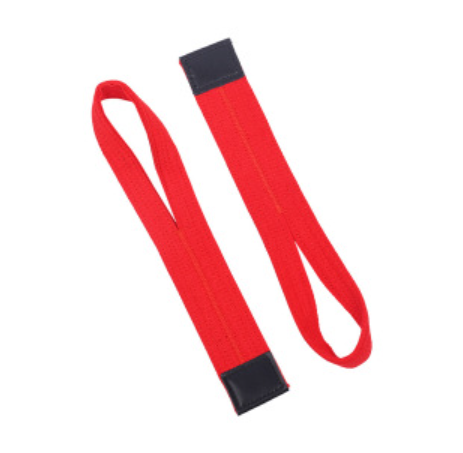
For many people, pulling upwards is an insurmountable gap. But with the help of the pull-up assist belt, everything has become different! It’s like a thoughtful little assistant, quietly giving you a boost when you’re struggling. Most of the auxiliary belts on the market are made of elastic rubber, and different colors represent different levels of resistance. Green usually has low resistance and is suitable for those who have a certain foundation and want to challenge the standard pull up; Red has greater resistance and is more suitable for beginners, helping you overcome this high difficulty movement from scratch.
When using, fix one end of the auxiliary strap on the horizontal bar, and then place both feet into the loop formed by the other end of the auxiliary strap. When starting to pull upwards, the elasticity of the auxiliary strap will provide you with upward assistance, reducing the burden on your arms and back. When I first started working on pull ups, I couldn’t even do one. Since I got this assistive belt, I have gradually gone from only being able to pull half of it to being able to complete five in one breath, and my progress has been remarkable! During each training pull up, start with 3-4 sets and try to exhaust each set as much as possible. As the strength increases, gradually reduce the resistance of the assistive belt and challenge more standard movements.
Grip strength tester: enhances grip strength and improves training performance
Grip strength is the foundation of many training programs, whether it’s hard pulling, pull ups, or daily heavy lifting, a strong grip can make you twice as effective. The grip strength device is compact and portable, and can be taken out for exercise at any time. It mainly has two types: spring type and hydraulic type. The spring type grip strength device is affordable, and by
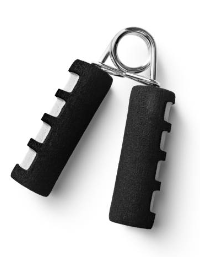
compressing the spring to exercise grip strength, one can clearly feel the force exerted on the hand muscles; Hydraulic grippers are more precise and easier to adjust resistance, making them suitable for those who pursue refined training.
When using a gripper, hold it with both hands, squeeze it hard, and feel the contraction of the hand muscles. At the beginning, it may feel a bit difficult, don’t lose heart, persist for a period of time, and you will find that your grip strength is getting stronger and stronger. I usually pick up my grip to exercise during work breaks or while watching TV. I do 3-4 sets of 15-20 exercises per set. Unconsciously, my hard pull performance has improved significantly because a more stable grip gives me more confidence when lifting the barbell!
Knee pads: protect joints and train with peace of mind
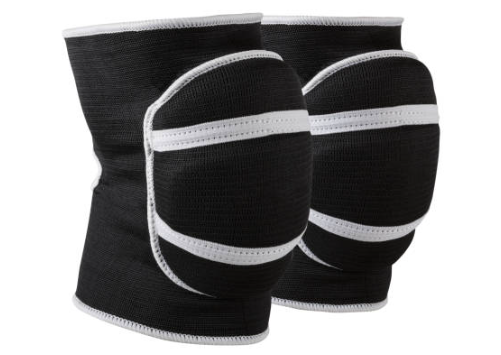
During training, the knees are under tremendous pressure, especially during activities such as squats and running. Kneepads are like putting a strong “armor” on the knees, providing stable support and protection. Common knee pads include regular elastic knee pads and professional sports knee pads. Ordinary elastic knee pads can provide basic warmth and mild support, suitable for daily fitness and low-intensity exercise; Professional sports knee pads are designed with support bars, silicone pads, etc., which can effectively distribute pressure, reduce knee burden, and are more suitable for high-intensity training and friends with old knee injuries.
Before doing squat training, I always wear professional sports knee pads. It has a good fit and does not affect the flexibility of movement, while also clearly feeling that the knee is firmly wrapped. When squatting, the knees can maintain the correct trajectory, reducing the risk of injury. Remember to choose the appropriate size of knee pads, too tight can affect blood circulation, and too loose will not provide the necessary protection. Wear it every time you train, providing comprehensive care for your knees and peace of mind during training.
Resistance band: anytime, anywhere, full body training
Resistance bands are the “versatile” training aids, with small size and light weight, making it easy to start training mode whether at home, in the office, or outdoors. Resistance bands usually have different levels of resistance, ranging from low resistance styles that are thin and light like ribbons to high resistance styles that are tough and thick, meeting the needs of different training stages.

When performing hip bridge training, place a resistance band around the base of your thighs, lie on a yoga mat, lift your hips with force, and feel the strong contraction of your hip and thigh muscles. The resistance band can double the training effect of this movement and help you shape a charming peach buttocks. When doing shoulder exercises, fix the resistance band behind you, hold both ends with both hands, and push upwards to increase the difficulty and fun of shoulder training. Choose 3-4 movements for each training session, with 3-4 groups of 10-15 repetitions per group, allowing all muscles in the body to be fully exercised with the help of resistance bands.
These training aids are like capable partners on our fitness journey, providing us with support and helping us break through ourselves. Find the right auxiliary tools for yourself and integrate them into daily training. You will be pleasantly surprised to find that training becomes easier, more efficient, and the results are more significant! If you have any insights or tips while using these tools, please feel free to share them in the comments section. Let’s go further and further on the path of fitness together, and become stronger and better!
Related Posts
Full Body Workout With Just a Chair: A Guide To Chair Exercises For Seniors
“You’ll need a $300 gym plan, expensive gear, a celebrity…
Step into the World of Boxing: A Beginner’s Guide
Let’s cut to the chase: most people don’t stick with…

Sports shoe selection guide: find the pair that suits you best
Hey, sports enthusiasts and shoe lovers! Whether you plan to…