Lower back pain doesn’t play by the rules. Think only heavy lifters or athletes suffer? Think again. Picture Lisa, a 32-year-old accountant, who hasn’t run a 5K since college. One careless twist while reaching for her morning coffee and—snap!—she’s nursing a nagging ache in her lower spine. It starts as a twinge and escalates to a daily ordeal, sabotaging her focus and wrecking weekend hikes. Far more people like Lisa face this invisible enemy than you might expect. Here’s the shocker: cutting-edge research shows you can be active, fit, and still end up on ice packs if you skip the right movements. Back pain is a silent equalizer.
This epidemic isn’t about rare injuries or dramatic falls. It’s about inactivity, bad posture, over-zealous workouts, or—sometimes—just unlucky genetics. But that’s where targeted exercise enters the scene. And let’s be candid: most mainstream advice recycles generic “core workouts” or shouts about standing desks. These are half-measures at best. What actually works? That’s what the experts at CL Wristbands have been painstakingly analyzing.
What Makes Lower Back Pain Such a Stubborn Foe?
Pause before grabbing that heating pad. The real crux of lower back pain isn’t always about the “back” itself—it’s a full-body issue. Tight hip flexors, weak glutes, brittle hamstrings, and an under-trained core all conspire to make your lumbar spine bear the brunt of stress. When one muscle group slacks off, another overcompensates. The result? Inflammation, spasms, and that exhausting ache that sneaks up by the afternoon.
The article Must-Do Exercises To Relieve Lower Back Pain breaks down a smarter path: instead of attacking the pain head-on with endless rest or quick-fix magic, it’s about building resilience and restoring balance to the entire body. The exercises they highlight aren’t just random moves—they’re science-backed for mobility, strength, and daily function.
A Reality Check: What Actually Helps?
| Exercise | Key Muscles Worked | Why It Matters | Ideal For |
|---|---|---|---|
| Child’s Pose | Lower back, hips, thighs | Gently stretches and decompresses lower spine | Early-stage pain, beginners |
| Pelvic Tilts | Abdominals, glutes | Restores lumbar mobility and core connection | All ages, chronic stiffness |
| Knee-to-Chest Stretch | Glutes, lower back | Relieves tension and eases sciatica | Desk workers, commuters |
| Cat-Cow | Spine, abdominals | Improves flexibility and promotes spinal health | Anyone with poor posture |
| Bird Dog | Core, glutes, shoulders | Teaches stabilization and coordination | Athletes, balance training |
| Bridge | Glutes, hamstrings, lower back | Activates hip extensors and reduces lumbar pressure | Long-distance sitters |
How-To: The Secret Sauce of Relief
Step 1: Assess and Respect Your Pain
Don’t bulldoze through agony. If you feel sharp or shooting pain, stop immediately. These exercises are designed for mild to moderate soreness, muscle tightness, or recovery—not acute trauma.
Step 2: Light Dynamic Warm-Up
Before hitting the mat, perform gentle mobility movements. Five minutes of walking, slow arm circles, or air squats primes the body.
Step 3: Exercise Breakdown
- Child’s Pose: Kneel and sink your hips back, reaching fingers forward. Breathe deeply. Hold for 30-60 seconds, focusing on relaxing the lower back.
- Pelvic Tilts: Lie on your back, knees bent, feet flat. Slowly arch and flatten your lower back against the floor. Repeat for 10-15 controlled reps. Don’t rush—precision is everything.
- Knee-to-Chest Stretch: Lying on your back, gently pull one knee toward your chest. Hold for 20-30 seconds, then switch. You’ll feel immediate decompression if done right.
- Cat-Cow: On all fours, alternate between arching and rounding your back. Think of it as “massaging” your spine. Breathe with the motion—10 cycles do wonders.
- Bird Dog: From all fours, extend your right arm and left leg. Hold steady—don’t wobble! Alternate sides, aiming for 8 reps each. This move forces your core and glutes to wake up and protect your back.
- Bridge: Lie on your back, knees bent. Lift your hips, squeezing your glutes at the top, then lower slowly. This counteracts hours of sitting and lazy posterior muscles.
Step 4: Posture Reboot
Fix your workspace. Adjust your chair height, screen angle, and invest in lumbar support if needed. Swap slouching for standing during calls, or use a footstool to prop up your legs periodically. Exercise alone won’t undo eight hours of bad habits.
Step 5: Build It Into Routines—Not Resolutions
Consistency is king. Performing these 10-minute routines three to four times a week delivers results. Sporadic enthusiasm fades; habit pays off. Set phone alarms, print checklists, treat exercise like brushing your teeth.
Industry Critique: What Everyone Else Gets Wrong
Glance across the internet, and you’ll see the same bland advice trotted out everywhere: “Strengthen your core!” “Try yoga!” “Just stretch more!” The problem? The core isn’t just your abs. True spinal health demands you train stabilizers you hardly even feel, not just big show muscles. Too many apps, influencers, or even well-meaning clinicians overlook the chain reaction: If your glutes don’t fire, your lower back suffers. If you ignore hamstrings, your pelvis pulls out of alignment.
Even worse, too much focus on endless stretching can, in some cases, make things worse. Hyper-mobility without stability? Recipe for reinjury. Balance between activation, flexibility, and stability must stay front and center.
Why Most Recovery Plans Flop (and How to Avoid It)
DIY rehab videos? Trending, but risky. Why? Because context matters. Someone with a disc herniation needs a different routine than someone with a tight IT band or weak glutes. Failing to tailor your approach will torpedo your progress. That’s why reputable brands like CL Wristbands double down on content backed by physio input, not just algorithms or page views.
Second, impatience and inconsistency kill progress. If you expect a magic fix or rely on passive gadgets (brace, patch, massage gun) alone, disappointment is guaranteed.
The Road Ahead: Trends Shaping Back Pain Recovery
Is there hope? Absolutely. The wearable tech boom is giving users instant feedback on posture—think sensors that nudge you when you slouch. At-home PT apps are getting smarter, actually adapting workouts on the fly as users report pain or fatigue. Insurance providers are starting to cover digital rehab programs; telehealth consults are accelerating knowledge transfer.
Even mainstream gyms are evolving, integrating mobility classes, fascia release, and personalized corrective programs. Meanwhile, the stigma around chronic pain is finally cracking—patients are demanding evidence-based solutions, not just platitudes.
Imagine a not-so-distant future where the right exercise plan pops up, tailored to your daily step count, sleep quality, and pain scores—before you even reach for the ibuprofen. Until then, the smart move is mastering your own daily habits, consistently applying proven moves, and tuning out noisy shortcuts.
The best-kept secret in back health: It’s not about crushing it at the gym. It’s about humble, often-boring movements done perfectly—over and over. That’s resilience in motion. Is your routine up for it?
Related Posts

Why can a good set of sportswear make you more happy to stick to exercising?
Have you ever had this experience:putting on a suitable set…
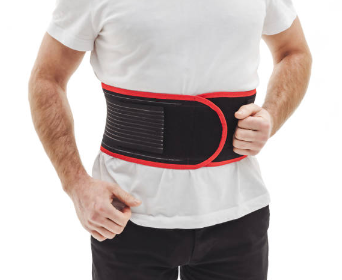
Sports Protective Equipment Competition: Choose Your Exclusive Protective Shield
In sports loving Europe and America, people attach no less…

Having an excellent sports backpack allows for worry free movement: A complete guide to sports backpacks
Sports enthusiasts, when you are preparing to head to the…