Dear outdoor explorers, when you carry your love for nature and prepare to embark on an exciting outdoor adventure in mountains, rivers, lakes, and seas, a set of handy equipment is your most solid backing. Today, I will share with you this super practical outdoor sports equipment guide to help you easily cope with various outdoor scenes and enjoy the pure beauty of nature!
Hiking shoes: the ‘safety guard’ under the feet

Hiking shoes are the soul equipment for outdoor hiking. The difference between it and ordinary sports shoes is huge! Professional hiking shoes have excellent grip, and the sole is made of special rubber material with complex pattern design, which can firmly grasp various terrains, whether it is muddy mountain roads, slippery rocks, or paths covered with fallen leaves, it is no problem. And its upper is usually made of waterproof and breathable fabric, such as GORE-TEX material, which can block rainwater infiltration and allow sweat from the feet to be drained in a timely manner, keeping it dry and comfortable. The last time I hiked in the rainforest, I wore a pair of high-quality hiking shoes that didn’t get my feet wet the whole time, and I was able to walk flexibly on slippery ground, safe and comfortable.
When choosing hiking shoes, be sure to pay attention to their fit. When trying on, the toes should be able to move slightly and there should be no significant sliding of the heel. At the same time, choose the appropriate style based on the hiking route and season. If it is a short and flat route, low cut hiking shoes are lightweight and flexible enough; If the route is long and the terrain is complex, high top hiking shoes can better protect the ankle.
Mountaineering Staff: A Powerful Assistant for Walking
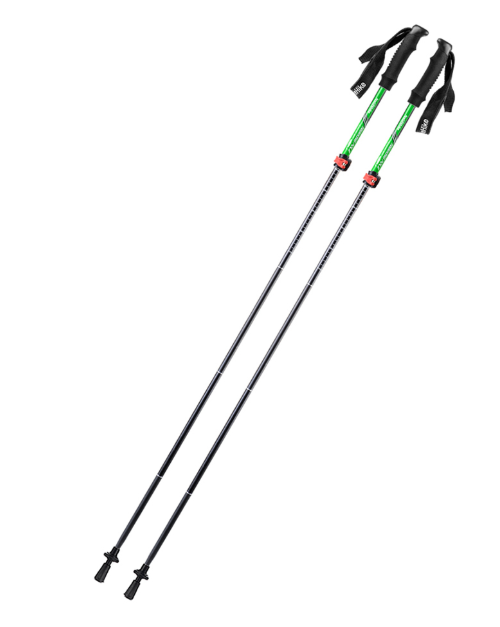
Climbing poles are essential equipment for hiking and mountaineering enthusiasts. It can effectively reduce the pressure on the legs and knees, and distribute the weight of the body to the arms. When climbing, the support of a hiking stick can make it easier for you to climb upwards; When going downhill, it can also serve as a buffer, reducing the impact force on the knees. Studies have shown that using hiking poles can reduce knee pressure by about 22%, and long-term use has significant implications for protecting knee health.
The hiking poles on the market are mainly made of two materials: aluminum alloy and carbon fiber. Aluminum alloy material is relatively affordable, sturdy and durable, suitable for most ordinary outdoor enthusiasts; Carbon fiber material is lighter, but more expensive, suitable for professionals who pursue ultimate lightweight. The length of a hiking stick is also crucial. Generally speaking, when standing, your arms naturally hang down, and the distance between your wrist and the ground is the appropriate length for your hiking stick. You can adjust it according to the actual terrain when using it.
Outdoor backpack: a mobile “treasure chest”
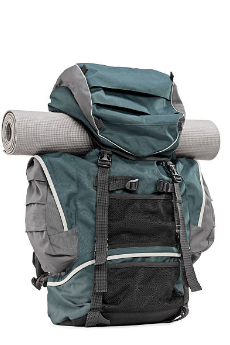
A good outdoor backpack is like your mobile “treasure chest” that can hold all outdoor essentials. Its carrying system is key, and professional outdoor backpacks adopt ergonomic design, such as S-shaped shoulder straps that fit the shoulder curves, and a wide waistband that can transfer weight to the hips, reducing shoulder burden. Backboards are usually made of breathable materials with ventilation slots in the middle, which can keep the back dry and comfortable, and can be carried for a long time without feeling stuffy or uncomfortable.
The capacity selection of outdoor backpacks should be based on the itinerary and the amount of items carried. A backpack of 20-35 liters is basically sufficient for one day of hiking; If camping for multiple days, a large capacity backpack of over 40 liters is needed. A backpack usually has multiple compartments inside, with the main compartment containing large items such as clothing and sleeping bags, the side pocket holding a kettle, and the front small pocket holding commonly used small items such as maps, compasses, snacks, etc., for easy access at any time.
Tent: A cozy little nest in the wilderness
For camping enthusiasts, tents are the “cozy little nest” in the wilderness. There are various types of tents, including triangles, tunnel shapes, dome shapes, etc. The triangular tent has a simple structure and is easy to set up, making it suitable for beginners; The tunnel shaped tent has a large space and is suitable for camping with multiple people; Dome shaped tents have good windproof performance and are more suitable for high-altitude or windy areas.
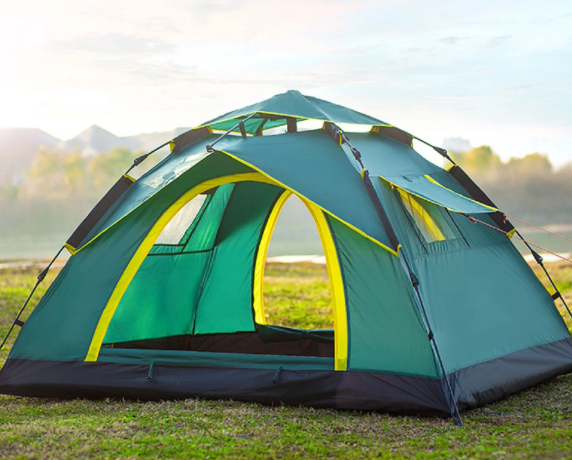
The material of the tent is also very important. The outer tent is generally made of waterproof fabric, with a waterproof index of at least 1500mm to effectively resist rainwater; The inner tent should pay attention to breathability, usually using fine mesh fabric to ensure air circulation during sleep. Ground nails and windproof ropes are also important components of tents, which can make the tent more stable outdoors. The ground nails should be made of sturdy materials, and the windproof ropes should be tightened to ensure that the tent is safe and sound even in harsh weather conditions.
Sleeping bag: a warm and intimate companion
Sleeping bags are the key to keeping warm during camping. The filling materials for sleeping bags mainly include down and cotton. Down sleeping bags have strong insulation, light weight, and good compressibility, but they are expensive and their insulation performance may decrease when they become damp; Cotton sleeping bags have a relatively low price and are moisture resistant, but they are heavy and have poor compressibility. When choosing a sleeping bag, the temperature scale should be determined based on the temperature of the camping site. The temperature scale is divided into extreme temperature, comfortable temperature, and maximum
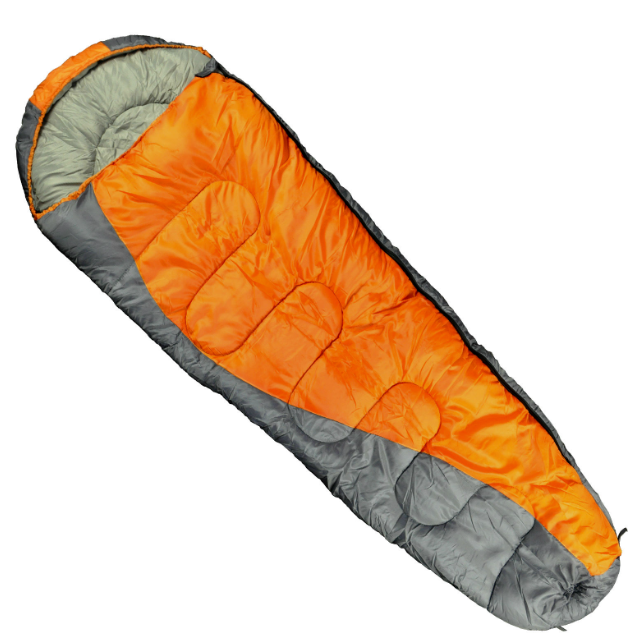
temperature. It is necessary to ensure that the comfortable temperature of the selected sleeping bag is suitable for the minimum nighttime temperature of the camping site, so as to have a good sleep in the wilderness.
There are also various styles of sleeping bags, with mummy style sleeping bags that fit the curves of the human body and provide good warmth, but have relatively small activity space; The envelope style sleeping bag has a larger space and is suitable for people who like to flip over, but its warmth retention is relatively weaker. In addition, the material and workmanship of sleeping bags can also affect the user experience, so it is important to choose products that are soft, comfortable, and have tight stitching.
These outdoor sports equipment are our valuable companions for exploring nature, and each one is crucial. When choosing equipment, one should consider their needs, budget, and outdoor experience comprehensively. Do you have any unique usage experience or interesting stories about these equipment during outdoor exploration? Welcome to share in the comment section, let’s explore more unknown outdoor scenery together with the help of equipment, and create more unforgettable memories
Related Posts

Swimming equipment selection tips: Tips for choosing swimsuits, goggles, and swim caps
Swimming in a cool pool or braving the waves in…

Choosing the right sports wristband: a must-have equipment for improving exercise efficiency
As an intelligent technology product, sports wristbands have become an…
Master the Highest Peaks: A Beginner’s Guide to Ice Climbing
What if fear is overrated? Think about it for a…