In the world of fitness and exercise, training intensity often takes center stage, but it’s recovery that truly determines long-term performance. The National Institute on Aging (NIA) states that recovery is a critical stage in the body’s adaptation to training, tissue repair, and muscle strengthening. Incorrect recovery methods can turn minor injuries into chronic problems, while the scientific use of recovery equipment can significantly improve recovery efficiency.
According to a 2025 study published in The Journal of Physiology, the proper use of recovery equipment can increase muscle repair efficiency by 3.8 times, while incorrect choices can negate the effect. For more information on systematic strategies for scientific rehabilitation, please refer to the Exercise and Rehabilitation Guide .
Sports Recovery Gear: What Exactly Is It?
Recovery equipment differs from standard fitness equipment in that it’s focused on “repair, not training.” This type of equipment includes devices designed to boost circulation, relieve soreness, regulate inflammation, and support muscle repair. These devices must meet stringent safety and performance requirements according to the ISO 20957 series of international standards.
Common types include:
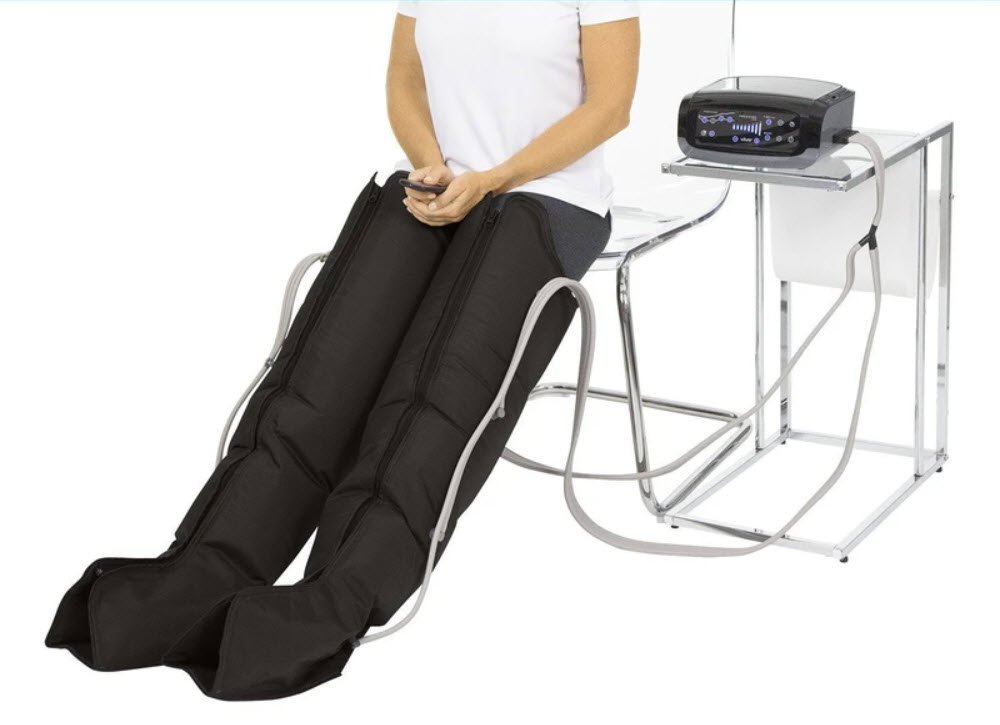
Pressure recovery devices : such as leg compression sleeves, which use gradient pressure to accelerate blood and lymphatic circulation.
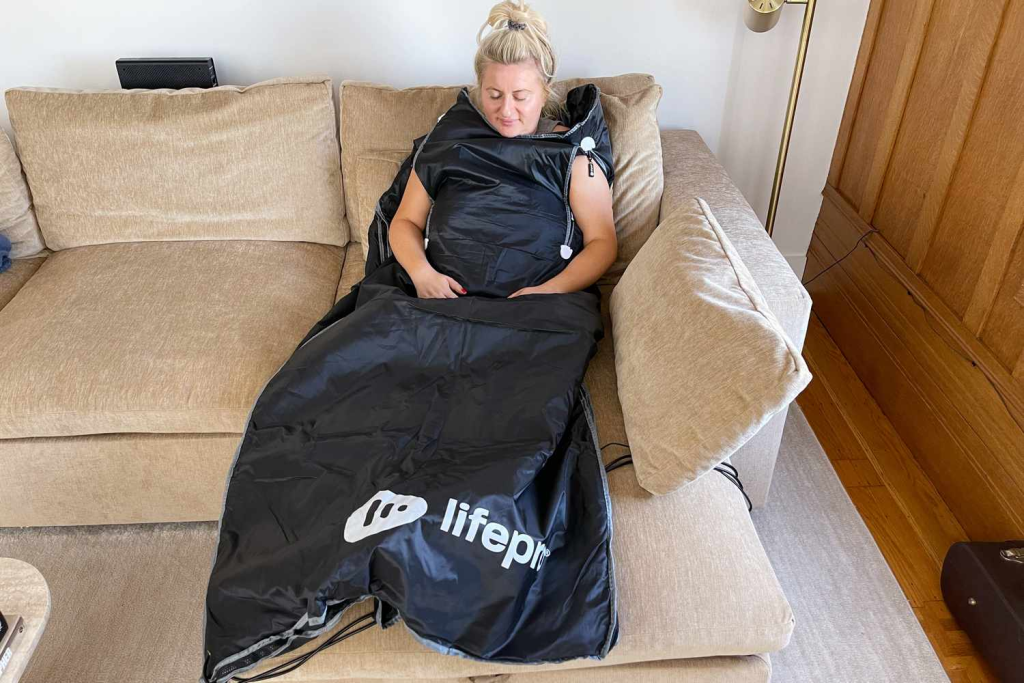
Heat therapy equipment : such as infrared heating blankets, which deeply relax muscles and promote metabolism.
Electro-stimulator (EMS) : It stimulates the neuromuscular system through micro-current to relieve pain.
Hot and cold therapy equipment : Such as hot and cold immersion pools, which regulate inflammation and muscle tension.
Common Misconceptions and Truths
Myth 1: Cold compresses are always better than heat.
Recent research shows that hot water immersion (42°C, 60 minutes) is more effective in repairing wounds than cold compresses. The heat-treated group experienced a more rapid decrease in myoglobin and creatine kinase levels, and higher expression of anti-inflammatory proteins. While cold compresses may provide short-term pain relief, they may delay long-term repair.
Myth 2: Recovery equipment replaces rest.
No equipment can replace adequate sleep and nutrition. The American College of Sports Medicine (ACSM) reminds us that equipment should be an adjunct to a recovery plan, not the sole component.
Myth 3: The same recovery method works for everyone.
KIOKOP’s AI muscle fatigue monitoring data shows that muscle response varies by as much as 48% between different groups (professional athletes and amateurs). A one-size-fits-all device solution may not be suitable for everyone; personalized selection is crucial.
Scientific Evidence: How Effective is Recovery Gear?
1. Repair mechanism of hyperthermia
A 2025 study confirmed that hyperthermia can activate repair proteins such as HSP27 and HSP70, inhibit the inflammatory pathway NF-κB, and promote the secretion of the anti-inflammatory factor IL-10, thereby stabilizing muscle fiber structure and accelerating recovery.
2. Biomechanical effects of pressure technology
The KIOKOP system combines 275 mmHg gradient pressure with 128-channel electromyography sensing technology to increase lactate clearance efficiency by 3.8 times and can predict strain risks 6-24 hours in advance.
3. The preventive value of biomechanical assessment.
A 2025 article in the journal Frontiers pointed out that motion capture and biomechanical analysis can reveal the mechanisms of neuromuscular disorders and provide key data support for personalized rehabilitation.
How to choose and use: a practical guide
1. Select the type according to your needs
Muscle soreness: Heat therapy device or compression leg sleeves.
Inflammatory response: Hyperthermia is more effective after the acute phase.
Prevent fatigue: AI analysis system is suitable for high-intensity trainers.
2. Ensure compliance with safety standards
Electrical equipment should comply with FCC certification to ensure electromagnetic compatibility and protection against electric shock.
Materials must pass biocompatibility tests to avoid skin allergies.
Mechanical equipment should have a stable structure and safety lock design.
3. Master the correct usage
Start gradually : Start with low temperature or low pressure for the first time.
Combination Sensation : Should not cause pain or burning sensation.
Use regularly : 3–5 days after intense training.
Comprehensive Strategy : Combine hydration, nutrition, and sleep to form a holistic recovery system.
4. Regular maintenance and inspection
Check if the joints and screws are loose.
Stop the machine immediately for inspection if any abnormal noise or vibration occurs.
Clean the electrodes, fabrics and heat-conducting parts regularly to prevent bacterial growth.
FAQs
Q1: When is the best time to use recovery equipment after exercise?
Heat therapy is recommended to be used 1-2 hours after exercise; compression equipment can be used immediately after training.
Q2: Can recovery equipment completely prevent injuries?
Not completely, but it can significantly reduce the risk. Studies have shown that a comprehensive program combining heat therapy and pressure recovery can reduce sports injury rates by 27%.
Q3: Does a higher price mean better results?
Not necessarily. The key lies in the technical principles and compatibility, not the price tag. Basic, compliant equipment will meet most needs.
Q4: Can middle-aged and elderly people use it?
Yes, but safety and strength should be considered. The US CDC recommends that older adults choose recovery equipment that is easy to use and has adjustable strength, and use it under professional guidance.
Conclusion: Scientific recovery, avoid injury
Recovery isn’t a luxury; it’s an integral part of training. Scientifically selecting and correctly using recovery equipment can significantly improve muscle repair efficiency and reduce the risk of injury.
Remember—equipment is only a means to an end; science is the core. Truly effective recovery comes from a comprehensive strategy: moderate training, good sleep, balanced nutrition, and a gradual recovery rhythm. Understanding the equipment, but also understanding the body, is crucial to making every workout a stronger starting point.
Related Posts
Essential sports equipment: How to choose different ball sports to avoid pitfalls?
You've probably had a similar experience: you just wanted to…
Exploring Weighted Vests: A New Training Option for Beginners
In the fitness world, how to more effectively enhance training…
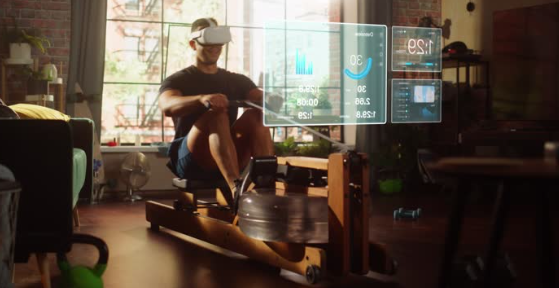
Unlocking Future Sports: A Comprehensive Analysis of Emerging Technology Sports Equipment
Sports enthusiasts, the current wave of technology is sweeping across…