You’ve probably had a similar experience: you just wanted to play a leisurely game of ball, but your shoes didn’t grip the floor enough and you fell flat on your butt, or the ball was too slippery to control, and you dropped it with a plop, leaving your face hurting more than your knees. Don’t laugh, this is almost every ball-sports enthusiast’s “entry rite of passage.”
In today’s “Guide to Avoiding Pitfalls in Essential Sports Gear , ” I’ve consulted numerous professional guides for various ball sports . Whether you’re a basketball fan, a soccer fan, or a tennis/volleyball multi-player, I’ll explain how to choose the right equipment. At the very least, you’ll never have to hesitate until dawn on your next shoe or ball purchase.
1. Why does “essential sports equipment” really determine whether you enjoy playing sports?
There’s a common refrain among all ball sports: the player is 50% of the game, and the equipment is the other 50% . Sounds exaggerated? But try playing in shoes with scuffs, and you’ll understand the reality of the word “grip.”
The anti-slip grip of basketball shoes determines whether you can stop and step back without slipping.
If the studs on your soccer shoes don’t match the surface, you could injure your ankles at best, or even sprain your ankles to the point where you doubt your life.
Knee pads are not for “old people”, they are for you to be able to walk down the stairs after playing ball
Equipment isn’t a status symbol or a face-saving project; it’s an athlete’s “hack .” Good equipment means faster upgrades, bad equipment means starting over.
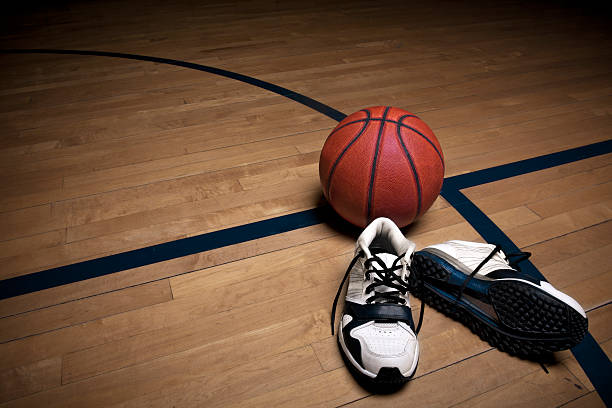
2. From “casual use” to “professional player”: equipment will change your sports experience
When many people start playing, they say, “I’ll buy cheap equipment first, and then switch to expensive equipment when I get better.” – It sounds reasonable, but the reality is: you will never reach the day when you “need to upgrade” because inappropriate equipment will slow down your feel, endurance and confidence.
Let’s take a basketball example:
| Equipment comparison | Beginner toy ball | Standard match ball |
| Surface friction | slip | Grip |
| Rebound | Unstable | Strong consistency |
| result | Tired of fighting | The more you play, the smoother it gets. |
Watch football again:
Different leather density → The ball’s rotation stability in the air varies greatly
Different seam structure → A shot may go directly to the next field
So, it’s not that you played badly, but that your equipment didn’t cooperate with you.
3. How to judge whether the equipment is “professional matching”? Remember these five dimensions
| Evaluation Dimensions | What to watch | Why it matters |
| Sports type adaptation | Different balls have different specifications | Basketball shoes and football shoes really can’t be mixed |
| Materials and craftsmanship | Outer cover/stitching/cushioning system | Determines durability and protection |
| Size and specifications | Ball number, shoe size, elasticity level | Wrong size, all movements broken |
| Security | Knee pads/ankle pads/shin guards | Essential for sports injury prevention |
| Cost-effectiveness | How long does it last? Is it worth it? | You can save money on entry-level equipment, but you can’t save money on core equipment |
In a word: the more expensive the equipment is, the better it is. What matters is whether it is worthy of the intensity and ambition of your exercise.
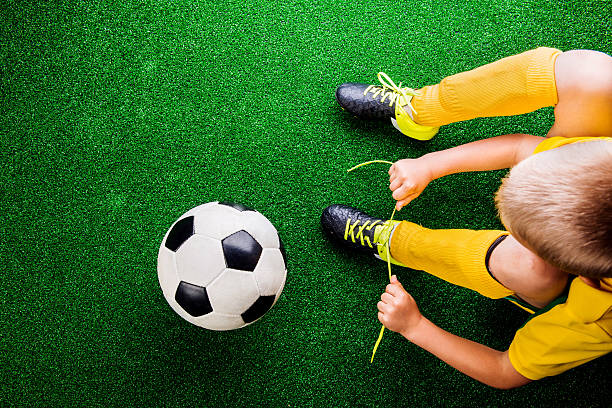
4. Equipment List for Major Ball Sports (with Key Reminders)
| Sports Category | Essential equipment | Select key points |
| basketball | Basketball, basketball shoes, non-slip knee and ankle pads | Shoes’ cushioning + grip = core |
| football | Football, field spikes, shin guards, goalkeeper gloves | Grass shoes = long spikes; artificial grass = short spikes |
| volleyball | Volleyball, volleyball shoes, knee pads | Shock absorption and knee protection on the sole |
| Tennis/Badminton | Rackets, sports shoes, non-slip wrist guards | Racket weight = ball control & endurance balance |
5. How do players at different stages choose equipment?
| Player stage | Equipment Strategy |
| beginner | Don’t chase the top configuration, prioritize durability + cost-effectiveness |
| Intermediate players | Start paying attention to the cushioning system/rebound performance |
| Advanced players | Fully match playing style and training intensity |
Don’t go all out with the top-of-the-line equipment right from the start, but when investing in gear, be sure to invest in “protection + core contact surfaces.” Balls and shoes are always the first place you spend money.
6. FAQ
Q: What’s the minimum equipment a beginner needs to play basketball?
A: A standard size 7 ball, traction-rich shoes, and basic knee pads. Don’t play without any gear.
Q: Is there a big difference between grass and artificial grass football boots?
A: Quite a lot. Not only will you slip if you have the wrong studs, you could also sprain your ankle.
Q: Do volleyball and tennis require a lot of investment?
A: Not necessarily in the early stages; but if you play every week, you will need to upgrade your shoes and protective gear.
7. Final Word: Equipment is Your Attitude Towards Sports
The fun of ball sports lies in the fact that you and your equipment are partners. The ball cooperates with you, your shoes help you stabilize the situation, and the protective gear helps catch your legs before you fall.
So don’t hesitate anymore: you are not playing the ball, you are playing your own rhythm.
Ask yourself:
Are you just playing around, or do you want to get stronger?
Do you play to sweat or to win?
If you already have the answer, then you also know which set of equipment to buy.
Related Posts
Must-Do Exercises To Relieve Lower Back Pain
Lower back pain doesn’t play by the rules. Think only…
Unlock new skipping rope gameplay: Embark on your efficient journey of burning fat and vitality
Hey, Fitness enthusiasts! Are you still struggling to find efficient…
Sports Earphones Unveiled: Choose the Right Earphones to Ignite Every Exercise
Hey, Fitness buddies! When you go for a morning run…