After high-intensity exercise, muscles often feel sore and tired, and appropriate exercise compression equipment can be a powerful assistant to help muscles recover. It can not only relieve muscle fatigue, but also accelerate the body’s recovery process, allowing you to quickly immerse yourself in the next training or exercise. However, when faced with a wide variety of compression equipment on the market, how should one choose? Below is a detailed introduction to the key points of selection for you.
Material performance: the cornerstone of comfort and efficacy
Highly elastic and breathable material
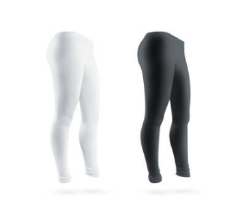
The ideal sports compression equipment should use materials with high elasticity, such as a blend of spandex and nylon fabric. Spandex endows equipment with excellent elasticity, allowing it to closely fit the body’s curves, providing even pressure, promoting blood circulation, and helping to eliminate metabolic waste from muscle tissue. Nylon enhances the wear resistance and strength of the fabric, ensuring that equipment is not easily damaged during long-term use. Meanwhile, the breathability of the material is crucial. During exercise, the body will sweat a lot, and breathable fabrics can quickly evaporate sweat, keep the skin dry, prevent discomfort caused by moisture, and reduce bacterial growth. Like some fabrics that use high-tech weaving technology, they have unique microporous structures that can effectively achieve breathability and heat dissipation, making you feel comfortable when wearing compression equipment.
Antibacterial and deodorizing materials
After prolonged exercise, sweat mixed with bacteria can easily produce odors, affecting the wearing experience. Therefore, it is necessary to choose materials with antibacterial and deodorizing functions. Some compression equipment uses fabrics with added silver ions, which have strong antibacterial properties and can effectively inhibit the growth of bacteria and fungi, reducing odor production. This material not only keeps the equipment clean and hygienic, but also extends its service life, allowing you to enjoy the muscle recovery effect of compressed equipment without worrying about odor problems.
Compression level: Accurately matching body needs
Choose based on exercise intensity
Different levels of exercise intensity have varying requirements for compression. For low-intensity, long-term aerobic exercises such as jogging and cycling, moderate compression is sufficient to meet the needs. In this type of exercise, muscles mainly face endurance challenges, and moderate pressure can promote blood circulation and relieve muscle fatigue. For high-intensity, short-term strength training or explosive sports such as weightlifting and sprinting, muscles are subjected to greater pressure and require higher levels of compression to support them, reducing muscle vibration and injury risks, and accelerating the recovery process. Generally speaking, compression equipment will indicate the compression level, commonly including mild compression (15-20mmHg), moderate compression (20-30mmHg), and high compression (30-40mmHg). The corresponding level of equipment can be selected according to the intensity of exercise.
Fit to the characteristics of body parts
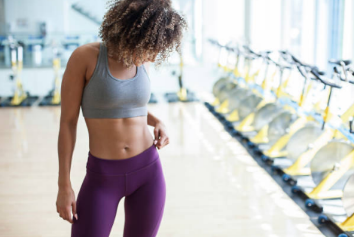
The demand for compression degree varies among different parts of the body. For example, the muscles in the calf area are more developed and can withstand greater pressure during exercise, requiring a relatively high degree of compression to promote venous blood return, reduce swelling and fatigue. The muscles in the thigh area are relatively large and require sufficient compression support, but it is important to avoid excessive pressure that can affect blood circulation. The compression requirements for the arms, waist, and other areas are relatively low. High quality sports compression equipment will use weaving techniques or partition designs of different densities based on the characteristics of each part of the body to achieve precise pressure distribution, providing the most suitable compression level for each part and improving muscle recovery.
Design details: Enhance user experience and recovery effect
Seamless splicing design
The splicing process of compression equipment directly affects the comfort of wearing. Seamless splicing design can effectively reduce friction and avoid skin wear during movement. Traditional stitching may cause discomfort due to the presence of stitches, especially during prolonged exercise where friction can lead to skin redness and pain. Seamless splicing technology connects fabrics together through special processes, making the surface of the equipment smooth and flat, fitting the curves of the body, not only improving the comfort of wearing, but also ensuring even pressure distribution, better promoting muscle recovery.

Reasonable support and protection design
Some high-end sports compression equipment will add additional support and protection designs in critical areas. For example, at joints such as knees and elbows, thick or special materials are used to provide additional support, reduce the risk of joint injuries during exercise, and help alleviate joint fatigue. At the waist, reinforcement bands may be designed to enhance support for the waist muscles and maintain the stability of the spine. These thoughtful design details can promote muscle recovery while providing comprehensive protection for the body, making you feel more at ease during exercise.
Easy to put on and take off design
Compression equipment that is easy to put on and take off before and after exercise can save time and energy. Some compression equipment features zippers, Velcro, and other designs that allow you to quickly put on or take off the equipment. For example, compression pants with zippers can be easily adjusted for comfort by opening the zipper, avoiding difficulty in putting on and taking off due to excessive tension. At the same time, when choosing, attention should be paid to the quality of zippers or Velcro to ensure their firmness and durability, and that they will not be damaged or fall off during use.
Refer to user reviews and feedback
Before purchasing sports compression equipment, referring to the evaluations and feedback of other users is an important way to understand the actual performance of the product. You can obtain real user feedback on different brands and styles of compressed equipment through channels such as user reviews on e-commerce platforms, sports forums, and social media. Pay attention to users’ evaluations of equipment material comfort, compression effect, durability, and whether there are any quality issues or adverse reactions. If the majority of users give a positive review to a product, it indicates that the product has performed well in actual use and is trustworthy; On the contrary, if there are many negative evaluations, one should choose carefully.
Choosing exercise compression equipment that can promote muscle recovery requires comprehensive consideration of various factors such as material performance, compression degree, design details, and brand reputation. By carefully selecting, you will receive a compression equipment that is both comfortable and effective in helping muscles recover, adding a guarantee to your sports life and allowing you to move forward more easily and efficiently on the road of exercise.
Related Posts

The science behind their gear: Why professional athletes are so picky
Have you ever wondered why professional athletes are so particular…
Master the Highest Peaks: A Beginner’s Guide to Ice Climbing
What if fear is overrated? Think about it for a…
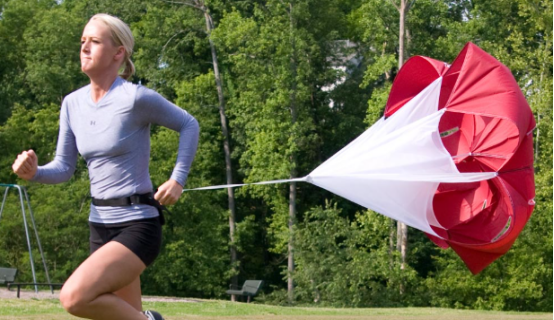
Resistance Umbrella Sprint Training: The Ultimate Equipment to Improve Explosive Power?
In the field of sprint training, finding training equipment that…