During outdoor activities, sunlight not only brings vitality, but also poses a potential threat of ultraviolet radiation. Long term exposure to ultraviolet radiation can easily cause sunburn, tanning, and even increase the risk of skin cancer. And high-quality sunscreen sports equipment can build a strong defense line for our skin. Next, we will provide a detailed introduction to the key points for purchasing various types of sun protection sports equipment.
Sunscreen clothing: a comprehensive skin shield
Material and Sunscreen Performance
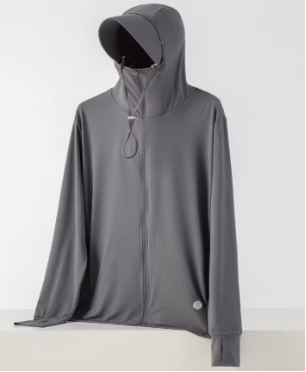
The sun protection effect of sunscreen clothing largely depends on the material. Professional sun protection clothing usually uses synthetic materials such as polyester fiber and nylon, and adds special sun protection agents. These materials themselves have a certain UV blocking ability, and sunscreen agents can further enhance the sun protection effect. For example, some high-end sun protection clothing uses polyester fibers that have undergone special processing, and their tight fiber structure can effectively reflect and scatter ultraviolet rays. When combined with sun protection agents, they can provide a sun protection index of up to UPF50+, which means they can block more than 99% of ultraviolet rays. In addition, sun protection clothing made of natural materials such as modal and bamboo fibers blended with synthetic fibers not only ensures sun protection performance, but also has good breathability and moisture absorption, keeping you dry and comfortable during exercise.
Breathability and heat dissipation
During exercise, the body generates a large amount of heat, so the breathability and heat dissipation of sunscreen clothing are crucial. Good sunscreen clothes will use special weaving techniques or add breathable hole designs. For example, some sunscreen clothes use three-dimensional weaving technology to create air circulation channels inside the clothes, accelerating sweat evaporation and taking away heat. Some sunscreens also have large ventilation holes in sweat prone areas such as armpits and backs, ensuring that air can freely enter and exit, effectively reducing stuffiness and heat. When purchasing, you can judge the breathability of the fabric by observing its texture and whether there are breathable holes, or you can blow air into the fabric with your mouth to feel the smoothness of the airflow passing through.
Style and Functionality
Sunscreen clothing comes in various styles and should be chosen according to the type of exercise and personal needs. For sports such as running and cycling that require a large range of activity, it is recommended to choose a slim and elastic style that does not hinder movement and ensures sun protection. These types of sunscreen clothes usually use special splicing or elastic fabrics at the joints such as the shoulders and elbows to provide better flexibility. If you want to engage in outdoor activities such as hiking or mountaineering, you can choose a style with multiple pockets for easy storage of small items. In addition, some sunscreen clothes also have anti splash function, which can keep the clothes dry and prolong the sun protection performance in light rain.
Sunscreen hat: a sunshade guard on the top of the head
Sun Protection Index and Coverage Range
The sun protection factor of a sun hat is equally important. When choosing a sunscreen hat, pay attention to its UPF value, which should generally reach UPF30+or above. A wide brimmed sun hat is a good choice, with a brim width of at least 7.5 centimeters or more, providing extensive sun protection for the face and neck. For example, the brim of a fisherman’s hat is wide, which can effectively block direct sunlight. Some fisherman’s hats also add a sunscreen coating on the inside of the brim to further enhance the sun protection effect. Like duckbill caps, although fashionable and easy to move, they have limited coverage on both sides of the face and neck. If you want to use them, you can choose styles with neck protection design to make up for the shortcomings.
Material and Comfort
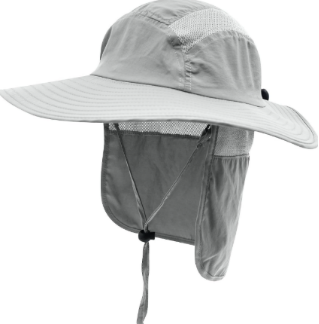
The material of the sunscreen hat affects the comfort of wearing. Cotton sun protection hats are soft and skin friendly, with good breathability, but prolonged exposure to sunlight may absorb sweat and become damp, affecting the sun protection effect. Therefore, many sun protection hats are made of lightweight nylon or polyester fiber materials, which not only have excellent sun protection performance, but also have fast drying properties that can quickly dry even when soaked in sweat. In addition, the design of the sweatband inside the hat is also crucial. High quality sweatbands can absorb sweat, keep the forehead dry, and prevent sweat from flowing into the eyes and affecting movement.
Stability and regulatory function
During exercise, the hat needs to remain stable. Some sun protection hats have added special stiff materials at the brim to prevent the brim from blocking the view due to wind or movement shaking. Meanwhile, sun protection hats with adjustable straps or Velcro can better adapt to different head shapes and sports scenes. For example, when riding, the hat can be fixed on the head by adjusting the rope to prevent it from being blown off by the wind; When hiking, if you feel your hat is too tight or too loose, you can adjust the Velcro at any time to ensure comfortable and stable wearing.
Sunscreen gloves: invisible equipment for caring for hands
Sunscreen materials and protective effects
Sunscreen gloves are mainly made of lightweight and breathable fabrics, and have good sun protection performance. Common materials include ice silk, which not only has a cool touch but also effectively blocks ultraviolet rays. Some sun protection gloves are made of a blend of polyester fiber and spandex material similar to sun protection clothing, which not only ensures sun protection effect but also has a certain degree of elasticity, making it convenient for hand movement. Check the sun protection factor of gloves and choose products with higher UPF values to provide more reliable protection for hands. For example, some professional cycling sun protection gloves have a sun protection factor of UPF50+, which can block the vast majority of ultraviolet rays for hands exposed to sunlight for a long time.
Flexibility and Touch
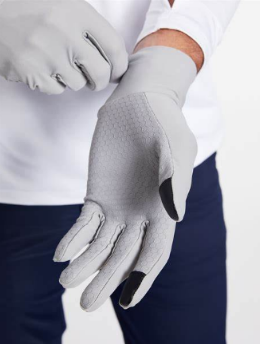
When exercising, both hands need to operate flexibly, so the flexibility and touch of sunscreen gloves are crucial. Good sunscreen gloves will use special cuts or elastic designs on finger joints and other areas to ensure that fingers can bend freely without affecting grasping, manipulation, and other movements. Meanwhile, the fabric of the gloves should have a certain degree of breathability and good tactile sensation, allowing you to clearly perceive external objects during exercise. For example, some sun protection gloves have anti slip designs on the palm area to increase friction, which can better grip the equipment and improve safety during sports such as cycling and rock climbing.
Style and Applicability
Sunscreen gloves come in various styles, including half finger and full finger. Half finger gloves are suitable for use in hot weather and sports that require high hand flexibility, such as running, tennis, etc., which can keep fingers fresh. Full finger gloves are more suitable for sports that require comprehensive protection, such as cycling and hiking. They not only provide sun protection, but also protect the hands from scratches to a certain extent. In addition, some sunscreen gloves also come with a touch screen function, making it convenient to operate electronic devices such as mobile phones during exercise without taking off the gloves, which is both convenient and provides continuous sun protection.
Choosing appropriate sunscreen sports equipment can allow us to enjoy the fun of outdoor sports while effectively protecting our skin from UV damage. When making a purchase, it is important to consider factors such as material, sun protection index, breathability, and comfort, and make wise choices based on different types of sports and personal needs to provide a strong “protective umbrella” for the skin.