Hey, guys who have just entered the world of yoga! Choosing a suitable yoga mat is crucial. It’s like your exclusive little world on the floor, providing comfort, support, and security during your yoga practice. However, there are various types of yoga mats on the market, how should I choose? You need to take a good look at these key points below.
Material is crucial
TPE (thermoplastic elastomer) yoga mat
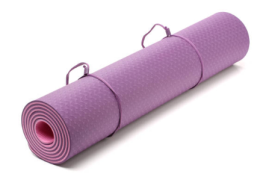
Nowadays, TPE yoga mats are quite popular. It is very environmentally friendly and made from recycled materials. This cushion is lightweight, easy to clean, and has a good cushioning effect. The anti slip performance of TPE yoga mats is also excellent, which is crucial for maintaining those difficult yoga poses. However, if you use it frequently, it may not be as durable as some other materials. But for beginners who are just starting out with yoga and looking for an affordable and environmentally friendly yoga mat, TPE yoga mat is a reliable choice.
PVC (polyvinyl chloride) yoga mat
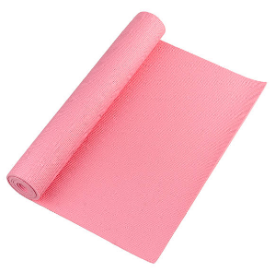
PVC yoga mats are known for their durability. It can withstand a lot of wear and tear and is suitable for long-term use. Its surface is smooth and comfortable to lie on. However, PVC is a non biodegradable material, so it is not very environmentally friendly. Moreover, some people may be sensitive to the chemical odor emitted by PVC yoga mats at times. If you are pursuing a durable yoga mat and are not too concerned about its impact on the environment, PVC material may be considered.
Natural rubber yoga mat
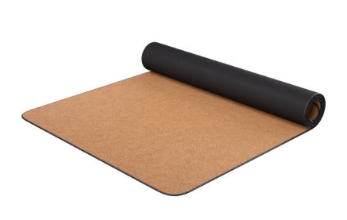
Natural rubber yoga mats, as the name suggests, are made of natural rubber. Its anti slip performance is superb, which is great for yoga poses that require stability. At the same time, it is extremely durable and has good shock absorption performance. However, its weight may be slightly heavier, which can be a bit troublesome if you often need to carry a yoga mat around. Additionally, some people may be allergic to natural rubber. But if you have a dedicated yoga practice space at home and want a high-quality, anti slip yoga mat, natural rubber material is perfect.
Thickness is important
Thin yoga mat (1-3 millimeters)
Thin yoga mats are perfect for yoga poses that require a lot of movement and flexibility. It can bring you closer to the ground, which is very helpful for maintaining balance. Moreover, it is lightweight and easy to roll up and carry. However, for people with joint problems, it may not provide sufficient cushioning. If you are young, flexible, and primarily practice dynamic yoga poses, a thin yoga mat may be suitable for you.
Medium thickness yoga mat (4-6 millimeters)
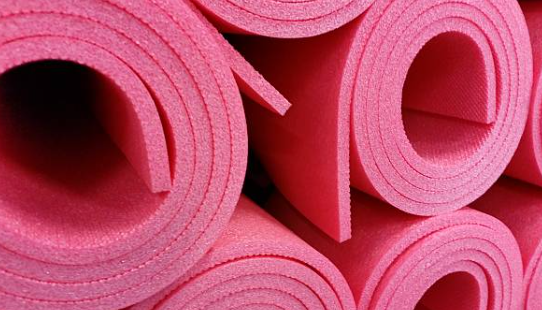
Medium thickness yoga mats are very popular among beginners. It has found a good balance between buffering and stability. Its thickness is sufficient to provide some comfort to your joints when doing yoga poses, but it will not be thick enough to affect your balance. Whether you’re doing gentle stretching or more intense yoga flow exercises, a medium thickness yoga mat can easily handle them. This is a versatile choice that is suitable for various yoga styles.
Thick yoga mat (7-10mm)
Thick yoga mats are perfect for people with joint problems or those who particularly enjoy soft cushioning. It provides maximum comfort and shock absorption, making it perfect for sitting and lying yoga poses. However, it may be a bit bulky and slightly less stable for poses that require quick movement. If you have knee, hip, or back problems, a thick yoga mat may be a good choice.
Size is crucial
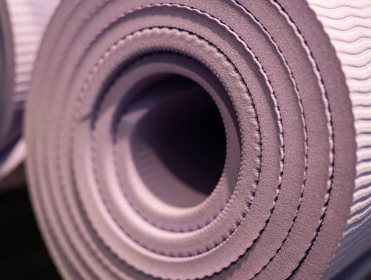
Small sized yoga mat
A small-sized yoga mat is suitable for people with limited space or who mainly practice sitting and standing yoga postures. It is easy to store and carry. However, if you frequently move around during yoga practice, small-sized yoga mats may not provide you with enough space.
Medium sized yoga mat
Medium sized yoga mats are a popular choice for most people. It can provide sufficient space for various yoga postures, including twisting, stretching, and handstands. Its size can accommodate your body movements without taking up too much space in your yoga area.
Large yoga mat
Large yoga mats are perfect for those who enjoy stretching to their heart’s content during practice. If you frequently practice dynamic yoga that requires a lot of movement, or if you have a tall figure, a large-sized yoga mat can allow you to move freely without worrying about falling off the mat.
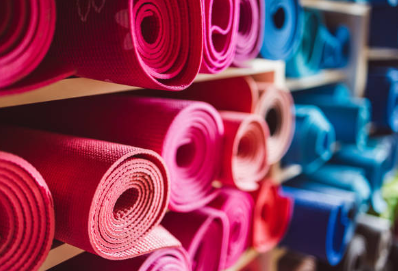
Anti slip is key
For yoga mats, good anti slip performance is crucial. You definitely don’t want to slide around while doing yoga poses. Choose yoga mats with textured surfaces or specially designed for slip resistance. Some yoga mats even have different levels of slip resistance on both sides, with one side being more suitable for use when sweating heavily. You can stand on a yoga mat and do some simple yoga movements to test its anti slip effect. If you feel stable, then you have found the right direction.
Portability should be considered
If you plan to take a yoga mat to different places, such as attending yoga classes, going to the park, or quickly stretching in the office, then portability is important. Lightweight yoga mats are more convenient to carry. Yoga mats that can be easily rolled up and come with straps or handles are even more convenient. You definitely don’t want to worry about carrying yoga mats every time you want to practice yoga outdoors.
In short, as a beginner choosing a suitable yoga mat, one needs to consider factors such as material, thickness, size, slip resistance, and portability. Taking all these points into consideration, you can find a yoga mat that meets your needs and allows you to fully enjoy yoga practice. So, take action now and choose the perfect yoga mat to start your yoga journey!
Related Posts

A Complete Guide to Choosing and Buying Sports Equipment for Seniors
Why is choosing the right sports equipment so important? Many…
Tennis Beginner’s Guide: Starting from Scratch
Let's shatter an illusion right out the gate: Tennis isn't…
A complete guide to bicycle selection: which types are suitable for different riders?
Hey, cycling enthusiasts and those who are about to enter…